
Criminal Law Made Simple
-
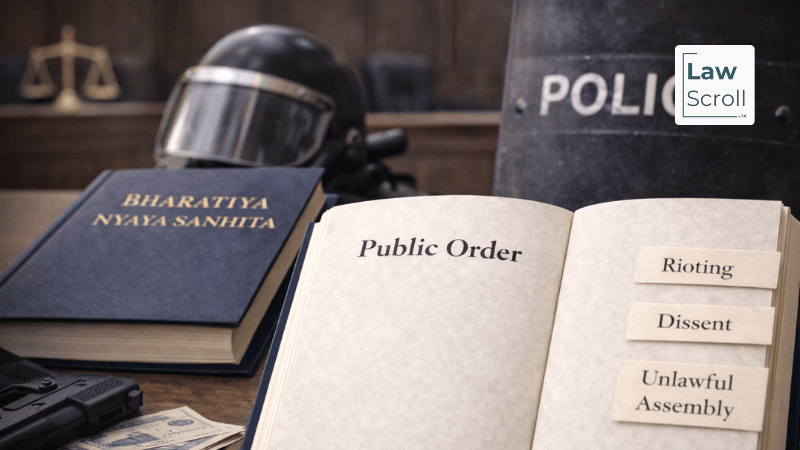
Public Order and Unlawful Activities under the BNS
An in-depth legal analysis of public order and unlawful activities under the Bharatiya Nyaya Sanhita, examining unlawful assembly, rioting, dissent, constitutional safeguards, and Supreme Court… Read More →
-
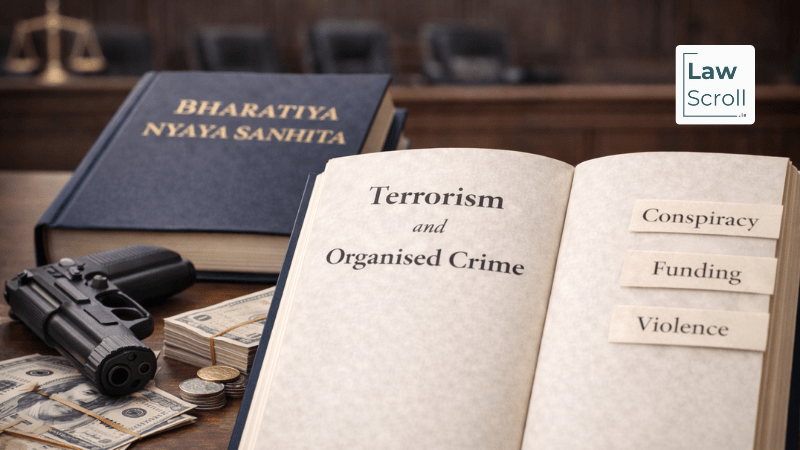
Terrorism and Organised Crime under Bharatiya Nyaya Sanhita (BNS)
A detailed legal analysis of terrorism and organised crime under the Bharatiya Nyaya Sanhita, examining intent, conspiracy, punishment, constitutional safeguards, and key Supreme Court rulings. Read More →
-
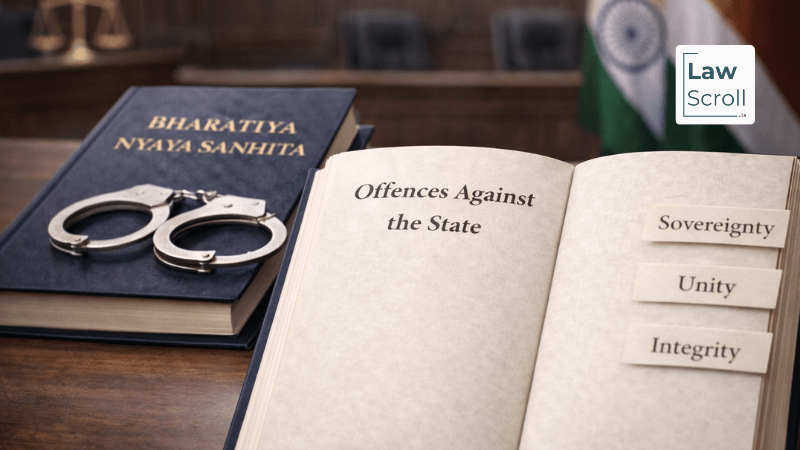
Offences Against the State under BNS Explained
Understand offences against the State under the Bharatiya Nyaya Sanhita, including waging war, armed rebellion, speech limits, and constitutional safeguards. Read More →
-
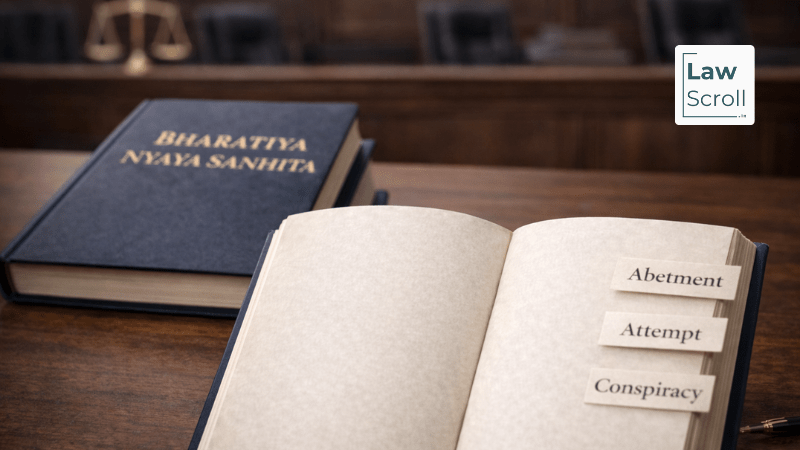
Abetment, Attempt and Criminal Conspiracy under the Bharatiya Nyaya Sanhita
Understand abetment, attempt, and criminal conspiracy under the Bharatiya Nyaya Sanhita, including intent, punishment, and constitutional limits. Read More →
-
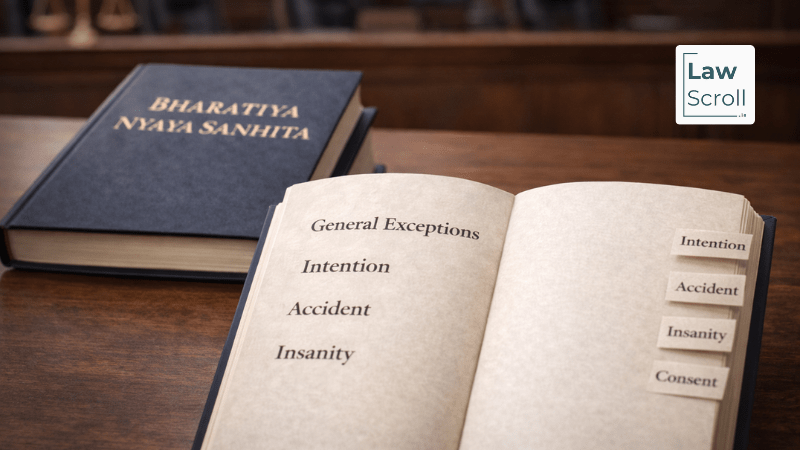
General Exceptions under the Bharatiya Nyaya Sanhita: Intention, Accident, Insanity, Consent and Criminal Liability
Learn how general exceptions under the Bharatiya Nyaya Sanhita limit criminal liability through intention, accident, insanity, consent, and good faith. Read More →
-

Punishments under BNS Explained: Imprisonment, Fine & Community Service
Understand punishments under the Bharatiya Nyaya Sanhita, including imprisonment, fine, and community service, with constitutional and judicial insights. Read More →
-
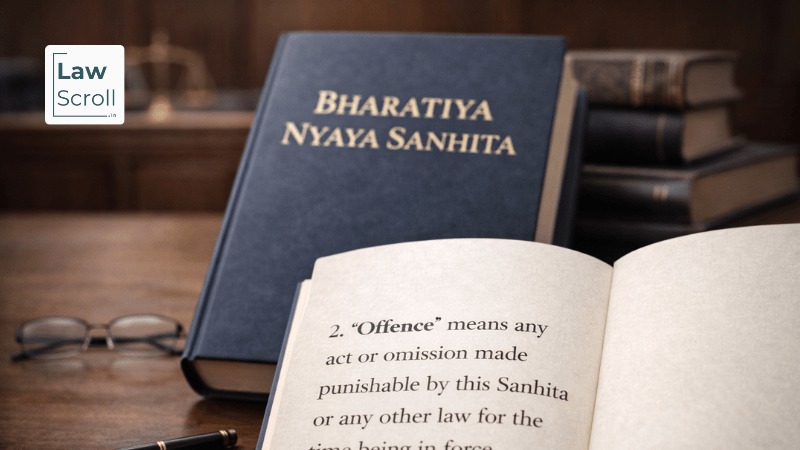
What Is an Offence Under Bharatiya Nyaya Sanhita (BNS)? Explained
What constitutes an offence under the Bharatiya Nyaya Sanhita? Learn the legal definition, elements of criminal liability, mens rea, and key Supreme Court rulings. Read More →
-

How BNS, BNSS and BSA Work Together: From Crime to Process to Proof
Criminal justice is not a single law but a system—where defining a crime is only the first step. Read More →
-

How to Read a Criminal Code: Structure, Sections and Illustrations
Criminal law is designed to be read in a particular way. Once that structure is understood, the law becomes far less intimidating. Read More →
-
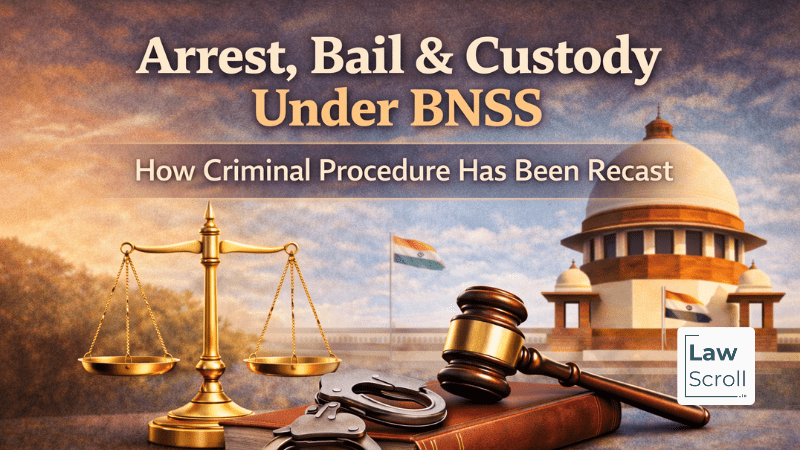
Arrest, Bail and Custody Under BNSS: How Criminal Procedure Has Been Recast
In India’s criminal justice system, the most decisive moment rarely occurs during trial or judgment. It occurs much earlier — at the point of arrest.… Read More →