
Analysis
Explore structured legal analysis, case briefs, and law explainers from India. LawScroll simplifies statutes and judgments to help students, professionals, and citizens understand the law clearly and responsibly.
-
Abetment, Attempt and Criminal Conspiracy under the Bharatiya Nyaya Sanhita
Understand abetment, attempt, and criminal conspiracy under the Bharatiya Nyaya Sanhita, including intent, punishment, and constitutional limits. Read More →
-
General Exceptions under the Bharatiya Nyaya Sanhita: Intention, Accident, Insanity, Consent and Criminal Liability
Learn how general exceptions under the Bharatiya Nyaya Sanhita limit criminal liability through intention, accident, insanity, consent, and good faith. Read More →
-

Punishments under BNS Explained: Imprisonment, Fine & Community Service
Understand punishments under the Bharatiya Nyaya Sanhita, including imprisonment, fine, and community service, with constitutional and judicial insights. Read More →
-
What Is an Offence Under Bharatiya Nyaya Sanhita (BNS)? Explained
What constitutes an offence under the Bharatiya Nyaya Sanhita? Learn the legal definition, elements of criminal liability, mens rea, and key Supreme Court rulings. Read More →
-

How BNS, BNSS and BSA Work Together: From Crime to Process to Proof
Criminal justice is not a single law but a system—where defining a crime is only the first step. Read More →
-
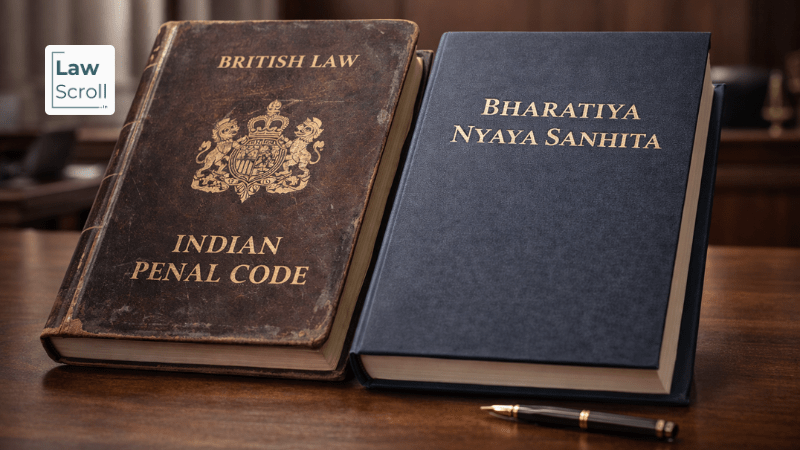
Colonial Control vs Constitutional Justice: The Philosophy Shift Behind the Bharatiya Nyaya Sanhita
When India replaced the Indian Penal Code with the Bharatiya Nyaya Sanhita in July 2024, the change was often described in technical terms — new… Read More →
-

How to Read a Criminal Code: Structure, Sections and Illustrations
Criminal law is designed to be read in a particular way. Once that structure is understood, the law becomes far less intimidating. Read More →
-
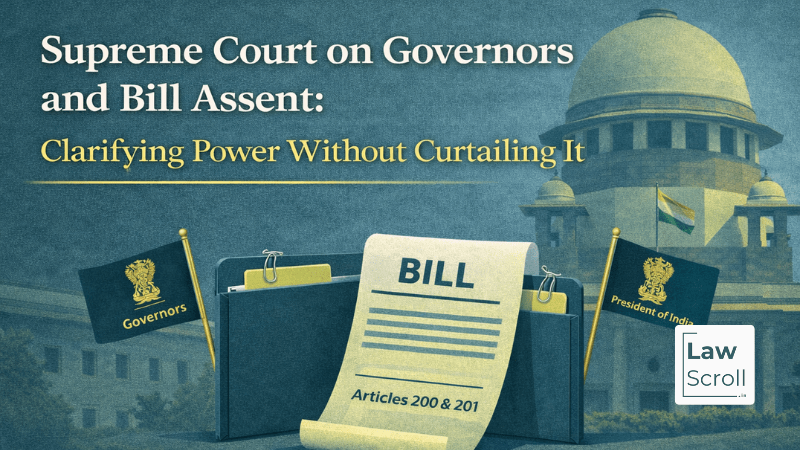
Supreme Court on Governors and Bill Assent: Clarifying Power Without Curtailing It
In late November 2025, the Supreme Court of India answered a constitutional question that had long simmered beneath the surface of federal practice: what exactly… Read More →
-
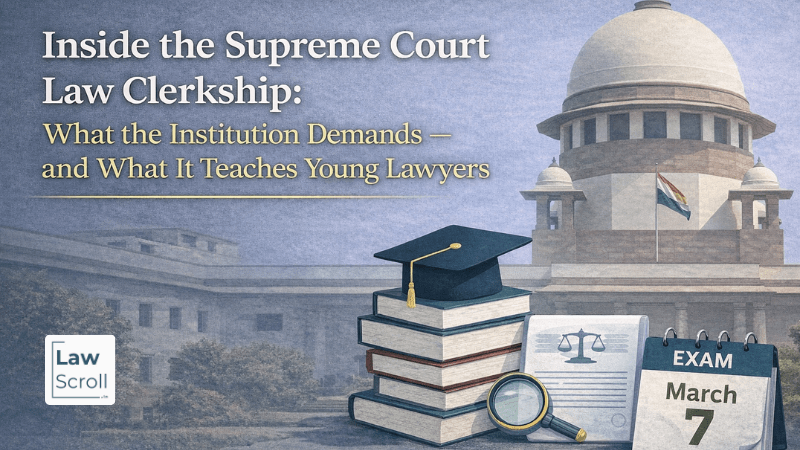
Inside the Supreme Court Law Clerkship: What the Institution Demands — and What It Teaches Young Lawyers
Every year, the Supreme Court of India quietly opens its doors to a small group of young lawyers through the Law Clerk-cum-Research Associate programme. Thousands… Read More →
-
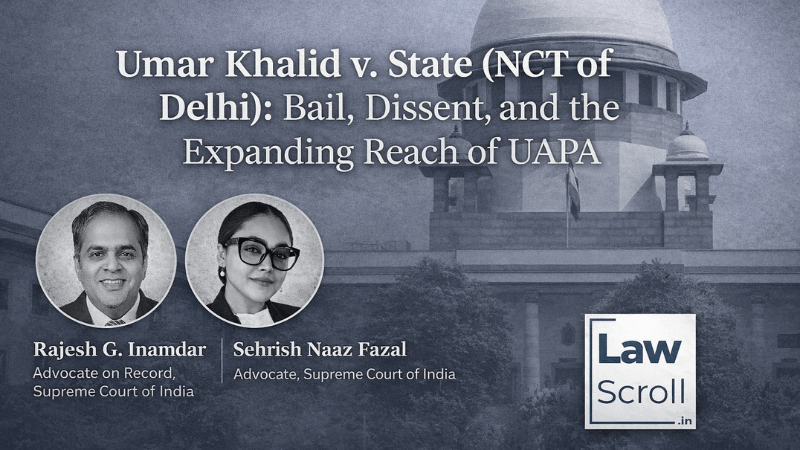
Umar Khalid v. State (NCT of Delhi): Bail, Dissent, and the Expanding Reach of UAPA
A close reading of the Supreme Court’s January 2026 bail order in the Delhi riots “larger conspiracy” case, and its implications for liberty, dissent, and… Read More →